
About the Nervous System
Understanding Why Withdrawal Affects the Whole Body
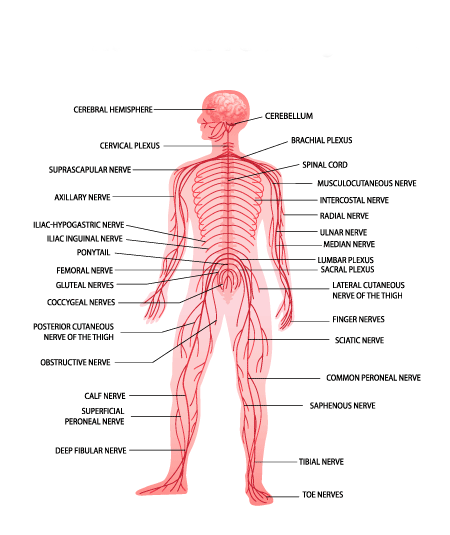
Your nervous system is the communication network that keeps you alive. Every sensation, emotion, heartbeat, digestive movement, thought, or hormonal shift passes through it. When you go through withdrawal from medications that interact with these pathways, the system becomes highly sensitive and overwhelmed. Because the nervous system reaches every organ and cell, symptoms can appear anywhere in the body.
This is not a sign of permanent damage. It is a sign that your system is trying very hard to restore balance.
Below is a simple, Braveheart-friendly explanation of the major parts of the nervous system and why withdrawal affects them so widely.
The Central Nervous System (CNS)
The CNS includes the brain and spinal cord, which work together as your command centre.
Brain
Responsible for:
-
thought, memory, concentration
-
emotional processing
-
coordination and movement
-
sleep regulation
-
pain perception
-
hormone balance
-
interpreting internal and external signals
Spinal Cord
A message highway carrying information between the brain and the rest of the body.
The Peripheral Nervous System (PNS)
This includes all the nerves branching out from the spinal cord to your organs, limbs, muscles, skin, and glands.
It carries:
-
sensory messages to the brain (pain, tingling, burning, temperature)
-
motor messages from the brain to muscles
-
signals to and from digestive organs, bladder, lungs, and heart
Because these nerves connect to everything, withdrawal symptoms can show up in any part of the body.
The Autonomic Nervous System (ANS)
The part of the nervous system that works automatically.
Sympathetic System - Fight or Flight
Speeds up the body. Raises heart rate, muscle tension, alertness, and stress hormones.
Parasympathetic System - Rest and Digest
Calms the system. Supports digestion, sleep, hormone regulation, and healing.
In withdrawal
The sympathetic system becomes overactive, while the parasympathetic system (via the vagus nerve) often struggles to settle things down.
This creates sensations such as:
-
racing heart
-
restlessness
-
digestive changes
-
temperature swings
-
sweating
-
insomnia
-
fight/flight feelings even when you are mentally calm
The Vagus Nerve – Your Body’s 'Brake System'
The vagus nerve is the longest nerve in your body. It runs from the brainstem down through the face, throat, lungs, heart, diaphragm, stomach, and intestines.
It is the main pathway of the parasympathetic system: the system responsible for calming, resting, digesting, and healing.
What the vagus nerve controls:
-
heart rate
-
breathing rhythm
-
speech
-
swallowing
-
digestion
-
gut motility
-
inflammation levels
-
emotional regulation
-
the calming response after stress
In withdrawal:
When the nervous system is dysregulated, the vagus nerve becomes overwhelmed and less effective. This can cause:
-
difficulty calming down
-
digestive issues
-
nausea
-
chest tightness
-
breath-catching sensations
-
increased inflammation
-
emotional swings
-
trouble sleeping
-
“wired but tired” feelings
As the vagus nerve recovers, many symptoms gradually settle.
The Limbic System: The Emotional & Survival Centre
Includes:
-
Amygdala - detects threat, triggers fear responses
-
Hippocampus - memory and time orientation
-
Hypothalamus – regulates hormones, sleep cycles, appetite, temperature, and autonomic functions
In withdrawal, the limbic system is hyperalert, often interpreting normal bodily sensations as danger. This can result in:
-
fear or panic waves
-
derealisation/depersonalisation
-
emotional overwhelm
-
startle responses
-
intrusive thoughts
-
sensory sensitivity
This is temporary limbic overactivation, not a reflection of your true emotional state.
The HPA Axis: The Stress-Hormone Loop
The Hypothalamus, Pituitary gland, and Adrenals form the HPA axis, which releases cortisol and other stress hormones.
In withdrawal, this system fires too easily, leading to:
-
morning cortisol surges
-
agitation
-
trembling
-
a sense of dread
-
sleep disruption
-
appetite and weight changes
-
feeling “always on”
The HPA axis settles as the nervous system regains equilibrium.
The Gut–Brain Connection
The gut and brain communicate continuously through several interconnected pathways, including:
- the vagus nerve and enteric nervous system
- neurotransmitters and other chemical messengers
- hormones
- immune signalling
- microbial metabolites
- the gut microbiome
This two-way communication network is often called the gut–brain axis.
Why this may be relevant
Approximately 90–95% of the body’s serotonin is produced or located in the gastrointestinal tract, where it contributes to functions such as intestinal movement, secretion, sensation, and communication within the digestive system.
The digestive tract also contains an extensive network of nerve cells, neurotransmitter systems, and receptors, including receptors responsive to serotonin and GABA. These systems help regulate digestion, gut motility, sensation, and communication between the gut and the wider nervous system.
Psychiatric medications differ in how they act, but medication use, dose changes, adverse reactions, and withdrawal may affect nervous-system regulation and may be accompanied by digestive symptoms.
The gut microbiome: the community of microorganisms living in the digestive tract, is also sensitive to factors such as medication exposure, diet, illness, stress, and changes in the body’s physiological state.
This may help explain why some people affected by prescribed drug injury report symptoms such as:
- nausea
- bloating
- diarrhoea or constipation
- abdominal discomfort or cramping
- appetite changes
- altered gut motility
- new or increased food sensitivities
- IBS-like symptoms
These symptoms should not automatically be attributed to withdrawal. New, severe, persistent, or concerning digestive symptoms should be appropriately medically assessed.
Receptors Throughout the Body
The medications used for anxiety, depression, sleep, and pain affect neurotransmitter receptors, especially GABA and serotonin receptors.
These receptors are located not only in the brain but throughout the:
-
gut
-
heart
-
lungs
-
muscles
-
immune system
-
skin
-
reproductive organs
-
endocrine glands
-
peripheral nerves
-
spinal cord
This helps explain why withdrawal symptoms can appear in places you would never expect. When the nervous system is recalibrating, every area with these receptors may temporarily react.
But here is the essential reassurance:
Receptors are not destroyed; they downregulate and then upregulate again as healing continues.
Your body is actively rebuilding its sensitivity and balance.
Why Symptoms Feel So Widespread
Because your nervous system connects to every organ, system, and cell, withdrawal can temporarily affect:
-
thoughts and emotions
-
attention and memory
-
sleep cycles
-
digestion
-
heart rhythm
-
temperature regulation
-
hormones
-
muscles and joints
-
bladder function
-
breathing
-
sensory experiences
-
skin, hair, mouth, and eyes
-
energy levels
This is not a sign that something new is wrong. It is the same imbalance expressing itself in different places.
Your body is not breaking down. It is recalibrating and healing.
Affirmation
'My entire body is working together to restore balance. Every system, every cell, and every pathway is finding its way back to full functionality. Healing is happening, even when I cannot feel it.'